
Latest Story
The 2-Shot Combo: How the Serve and Third Shot Work Together to Win Points
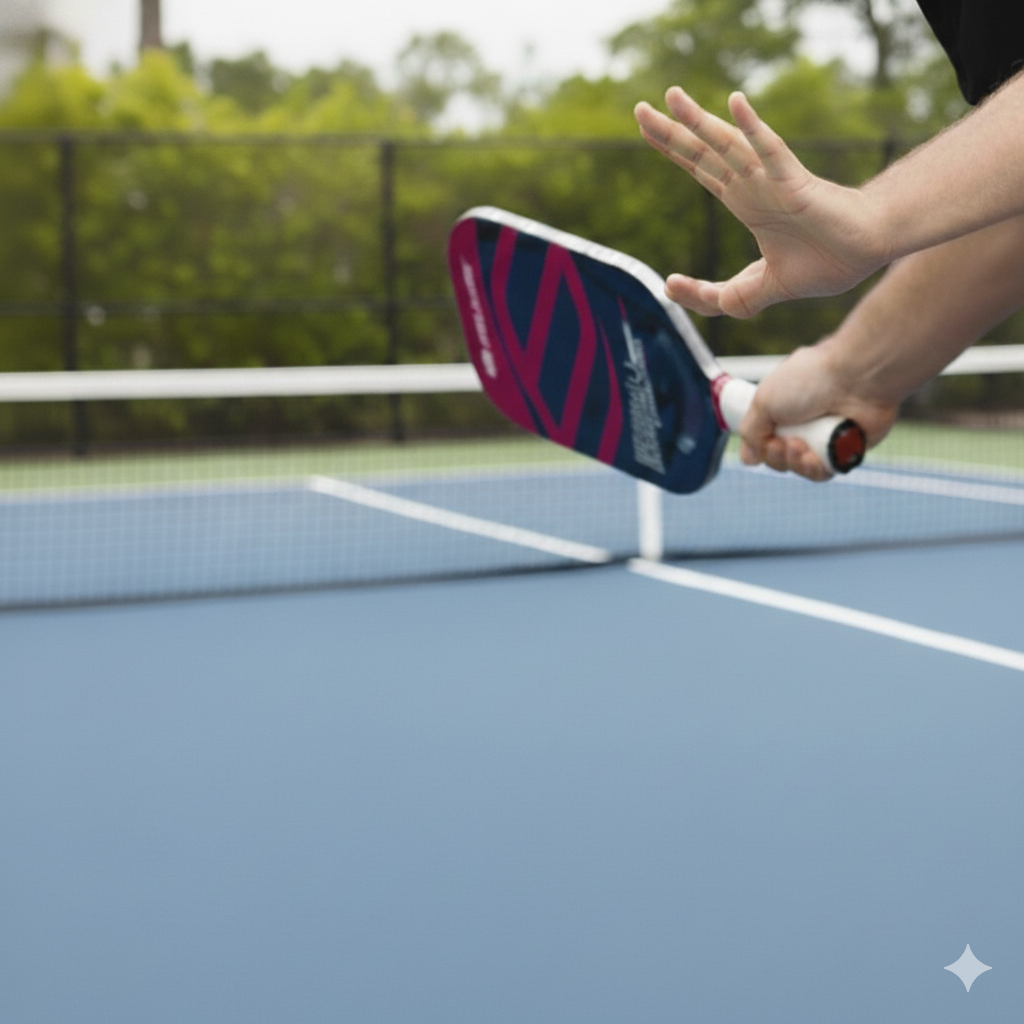
Design serve–third patterns that create predictable fifth-ball put-aways and team flow in tournament play.
Points aren’t isolated shots—they’re sequences. When your serve target sets up your third shot, you control the fifth. Tournament players who plan the first two shots don’t hope for chances; they manufacture them.
Core Strategy
Pick two reliable patterns. Pattern A: deep body-line serve that jams footwork, expect shorter/lofted returns, then third-shot drop to the middle to shrink angles and approach together. Pattern B: serve deep to the backhand corner, expect cross-court return, then third cross-court for added net length. The fifth becomes a high volley into the seam or body. Your partner’s strength dictates which pattern you emphasize—if they finish well, bias serves that feed their side; if they reset well, bias patterns that buy time.
Keep the motion simple: smooth shoulder-led swing on serve, quiet wrist on the third. Track depth on both—the deeper the first two balls, the slower your opponent arrives at the line.
Practice Drill
Combo Builder (5 minutes x 2 patterns). Serve ten balls to your chosen target, call the expected return out loud, then hit the planned third. Walk forward only on quality contacts. Switch patterns. Record how many points your plan delivers a makeable fifth-ball. Tournament readiness equals pattern reliability.
Bring It to Life
On a windy day, you choose Pattern B: deep backhand serve. The return floats cross-court; you drop back cross and arrive balanced. Your partner shades middle, you volley through the body on the fifth. Repeat until opponents shift—then switch to Pattern A to jam their feet. Winning sequences adapt, but the principles stay the same.
Related: Serve With Intention • Master the Third Shot Drop • Transition Zone Mastery
Question: Do your first two shots have a plan—or are you gambling on the fifth?